Uncategorized
-
The Surprising Link Between Stress and Fibromyalgia
The Surprising Link Between Stress and Fibromyalgia Understanding Fibromyalgia Fibromyalgia is a chronic condition characterized by widespread pain, fatigue, sleep disturbances, and cognitive challenges often referred to as “fibro fog.” Although it does not cause visible inflammation or joint damage, it significantly affects how the brain and nervous system process pain signals. For many individuals,
-
Why Your Fibromyalgia Symptoms Keep Getting Worse
Why Your Fibromyalgia Symptoms Keep Getting Worse Understanding the Nature of Fibromyalgia Fibromyalgia is a chronic pain condition that affects how the brain and nervous system process pain signals. Rather than causing visible inflammation or joint damage, it alters pain perception, making sensations feel more intense. This means symptoms can fluctuate over time, sometimes improving
-
The Emotional Toll of Fibromyalgia (No One Talks About This)
The Emotional Toll of Fibromyalgia (No One Talks About This) The Invisible Weight Behind the Pain Fibromyalgia is often described in terms of physical symptoms—widespread pain, fatigue, and cognitive difficulties. But what is rarely discussed is the emotional burden that quietly accompanies the condition. Living with chronic, unpredictable pain can slowly reshape a person’s inner
-

Can Fibromyalgia Be Reversed? Here’s What Science Says
Can Fibromyalgia Be Reversed? Here’s What Science Says Understanding Fibromyalgia Fibromyalgia is a chronic pain condition characterized by widespread musculoskeletal pain, persistent fatigue, sleep disturbances, and cognitive challenges often called “fibro fog.” It affects how the brain and spinal cord process pain signals, amplifying sensations that might not normally be painful. Because symptoms vary widely,
-
The #1 Mistake People Make After a Fibromyalgia Diagnosis
The #1 Mistake People Make After a Fibromyalgia Diagnosis Introduction: The Emotional Impact of Diagnosis Receiving a fibromyalgia diagnosis can bring a mix of relief and fear. On one hand, there is validation—your pain is real, and it has a name. On the other hand, the word “chronic” can feel overwhelming. Questions about the future,
-
Fibromyalgia vs. Chronic Fatigue: What’s the Difference?
Fibromyalgia vs. Chronic Fatigue: What’s the Difference? Introduction Chronic pain and long-lasting exhaustion can dramatically affect quality of life. Two conditions often discussed together are fibromyalgia and chronic fatigue syndrome. While they share overlapping symptoms, they are distinct medical conditions with different primary features, diagnostic criteria, and management approaches. Understanding the differences can help individuals
-
Living with Fibromyalgia: The Brutal Reality
Living with Fibromyalgia: The Brutal Reality The Invisible Illness No One Sees Fibromyalgia is often called an invisible illness because there are no casts, scars, or obvious signs to signal its presence. From the outside, a person may look perfectly fine. On the inside, however, their body may feel like it’s constantly battling pain and
-
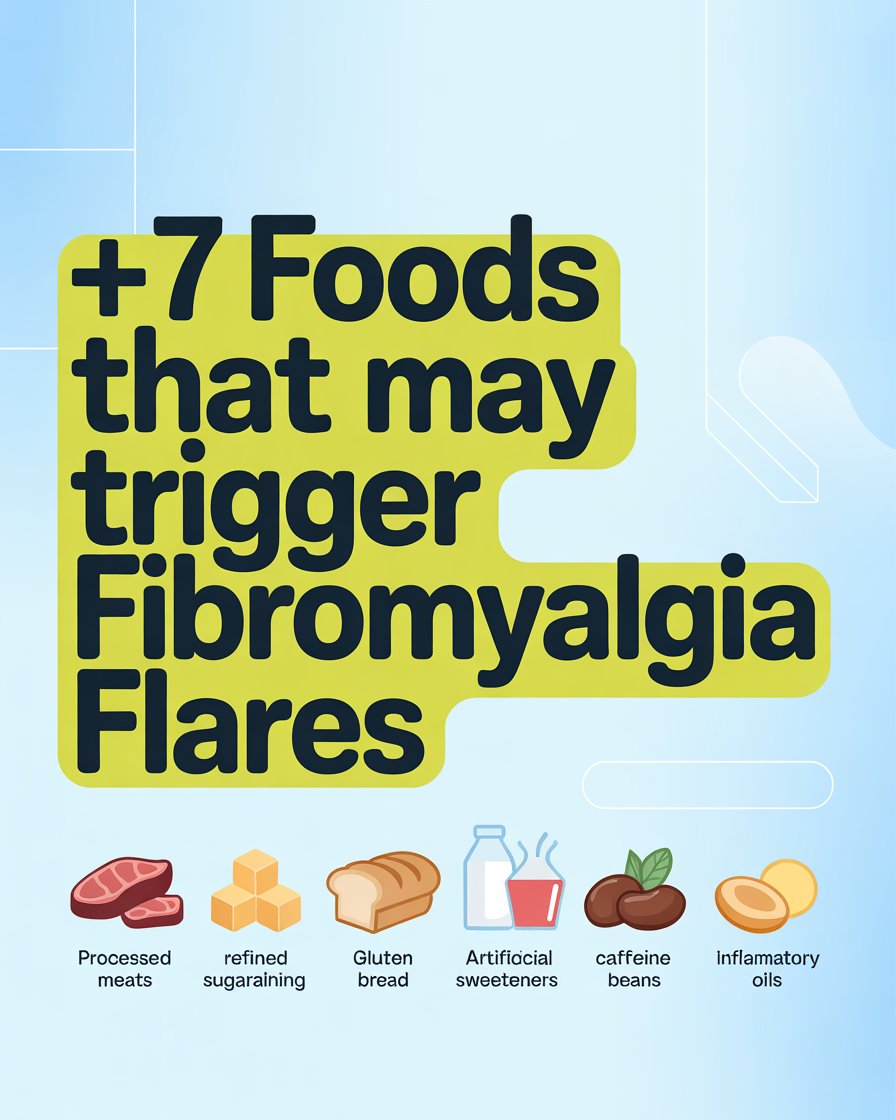
7 Foods That May Trigger Fibromyalgia Flares
7 Foods That May Trigger Fibromyalgia Flares Fibromyalgia is a chronic condition marked by widespread pain, fatigue, sleep disturbances, and heightened sensitivity to stimuli. While there is no single diet that causes or cures fibromyalgia, many people report that certain foods seem to worsen their symptoms. Understanding potential dietary triggers may help reduce flare-ups and
-
Why Fibromyalgia Is So Hard to Diagnose
Why Fibromyalgia Is So Hard to Diagnose Introduction: The Diagnostic Challenge Fibromyalgia is one of the most misunderstood chronic pain conditions in modern medicine. While millions of people experience its symptoms, getting an accurate diagnosis often takes years. Many patients visit multiple healthcare providers before finally receiving answers. The delay is not because the condition
-
10 Daily Habits That Make Fibromyalgia Worse
10 Daily Habits That Make Fibromyalgia Worse Living with fibromyalgia can feel unpredictable, especially when symptoms flare without warning. While the condition itself involves central nervous system sensitivity and chronic pain, certain everyday habits can quietly intensify symptoms. Recognizing and adjusting these patterns can significantly reduce flare-ups and improve overall quality of life. Below are